

Let’s examine a complicated travel insurance situation some UK holidaymakers face. Arranging a trip around playing the Big Bass Splash slot machine? If something malfunctions, your standard policy may not assist you. The real trouble arises with how insurers categorize gambling-related holidays. I’m going to guide you through the usual holes in insurance, what rights you may still possess, and what you can truly do to build a stronger claim.
Comprehending the Central Insurance Problem with Gambling Trips
Travel insurance is meant for the sudden: a unexpected illness, a delayed flight, lost luggage. To an insurer, a holiday arranged particularly for a slot machine event looks different. They consider it as high-risk and not necessary. That outlook influences how they process any claim. The destination is never the problem; it’s what you put down as your reason for travelling when you obtain the cover.
Numerous policies have explicit exclusions for losses tied to gambling or speculation. If you declare that playing Big Bass Splash is the primary point of your trip, the insurer could link any financial loss closely to that barred activity. You’re placed in a uncertain zone, and you must to proceed warily from the moment you reserve.
Take a hard look at your policy document. See how it defines “leisure” and “business” travel. A slot-themed break sits neatly into either box. If you don’t mention the trip’s nature at all, the insurer might consider it non-disclosure. That could void your entire policy, even for a basic claim like a medical bill.
Regulatory and Supervisory Protections for UK Travellers
UK laws are supporting you. The Financial Conduct Authority (FCA) and the Insurance Act 2015 force insurers to handle claims justly. They are unable to deny claims for trivial or immaterial reasons. The burden is on the insurer to show an exclusion applies, not for you to prove it doesn’t.
The Financial Ombudsman Service is your complimentary backup. If you believe a claim for your Big Bass Splash trip was wrongly rejected, you can appeal to them. They regularly side with customers when policy terms is muddy or applied too rigorously.
Your job is to show “reasonable care” and refrain from concealing information. Being truthful about your travel plans, while basing your claim on a covered event like illness, is your most robust legal ground. But if you knowingly deceive them, your policy will be invalid.
Steps to Take Before You Depart to Safeguard Your Status
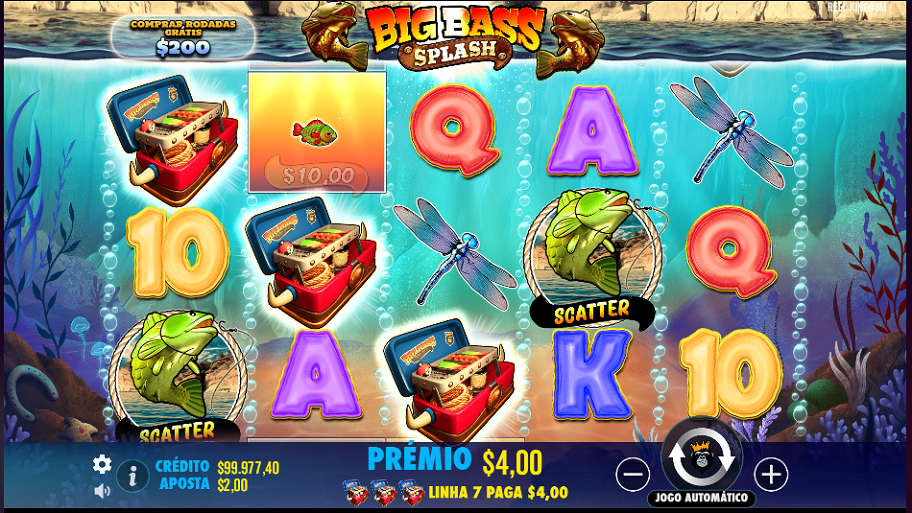
Lift the phone and contact your insurer before you leave. Ask a direct question: “My leisure trip is to a UK resort where I’ll play slot machines. Does my policy cover that?” Obtain their answer in an email or letter. This written record of your disclosure could rescue you later.
Keep every receipt. Organize proof of payment for your transport, your hotel, and any booked events separately from your gambling money. This demonstrates your holiday had real, insurable parts that existed outside the casino. It establishes a line between your vacation costs and your gaming budget.
Contemplate upgrading to a premium policy. It prices more, but these plans sometimes have broader ideas of what counts as leisure and higher cash cover. Don’t just contrast the big promises on the front page. Devote your time reading the exclusions section.
How to Navigate the Claims Process if Issues Arise
When you make a claim, steer clear of the gambling angle. Emphasize the standard travel problem. Describe the medical issue, the cancelled flight, or the stolen camera. Avoid mentioning the missed slot tournament. Offer only evidence for the insurable event itself.
File a straightforward, factual account of what happened. Detail the events in order, and clarify how they impacted your paid travel plans. Skip casino visits unless you have to mention them. A stolen bag is a stolen bag, whether it took place in a casino lobby or a hotel room.
If they turn down your claim, ask for a full explanation that references the exact policy clause they used. This must be provided. It then offers you a clear basis for an appeal or a complaint to the Financial Ombudsman Service.
Common Scenarios Causing a Disputed Claim
Consider this. You schedule a weekend at a UK casino resort, primarily to play the Big Bass Splash machine. Then you catch the flu and need to cancel. Your insurer could push back. They might argue the trip was for gambling, not a normal holiday, or even label it as a business venture with varying cover rules.
Then there’s the problem of lost chances. Imagine you hit a decent jackpot, but your train is cancelled and you miss the prize ceremony. Insurance hardly ever covers missed opportunities or lost winnings. They regard those as gambling results, not direct travel losses.
Theft is yet another headache. While stealing your suitcase is covered, policies have low limits for cash. If your winnings are stolen, showing that money came from a slot machine and wasn’t just cash you brought to gamble with is a difficult task during a claims investigation.
Major Omissions in Typical UK Travel Policies
Watch for phrases like “commercial gambling” or “any professional endeavor” in the fine print. You understand you’re just having fun, but an insurer might conclude a focused slot trip has a professional slant. That vague language gives them an opening to say no.
Exceptions for mental distress count as well. The frustration of a broken machine or a bad run of luck won’t be protected. Coverage require a medical diagnosis, not disappointment from how your betting session turned out.
And here’s a big one: policies exclude “foreseeable” events. If you go when there’s a declared train strike or a major storm warning, any delay claim will probably be denied. This rule covers any trip, but people forget it all the time.
Other Financial Safeguards Beyond Standard Insurance
Employ a credit card for big bookings. For anything over £100, Section 75 of the Consumer Credit Act holds your card company jointly liable if the service isn’t delivered. This can apply to a cancelled hotel stay, irrespective of what your travel insurer states.
Choose flexible options. Investing extra for refundable rooms and changeable tickets cuts your risk directly. This is a form of self-insurance that’s often more trustworthy than debating with an insurer about your trip’s reason. You maintain control.
Establish a backup fund. Saving aside a bit of money for travel snags is a smart move. You can tap into this pot for unexpected costs without having to assure anyone they weren’t connected to gambling. It completely bypasses the insurer’s main point.
Často kladené otázky
Will my insurer know my trip is for a Big Bass Splash slot event?
Unless you tell them, or if it is part of a claim. For a medical claim or stolen goods, it probably won’t come up. But if you seek compensation because the specific slot machine was out of order, they’ll find out and will almost certainly refuse to pay based on gambling exclusions.
Can I get specialist insurance for a gambling-themed holiday?
Locating a UK insurer that caters to this is very difficult. A better route is a premium travel policy intended for higher-risk trips. You must be fully transparent when you apply. It will cost more, but you’ll have actual protection and won’t risk your policy being cancelled later.
What if I get injured at the casino resort during my trip?
Your medical costs should be taken care of, as long as you weren’t hurt while drunk or breaking the law. The fact it happened at a casino matters less than how the injury occurred. Get a doctor’s report, and a police report if needed, to back up your claim.
Are my slot machine winnings covered under personal cash limits?
Technically, yes, but only up to the policy’s limit, which is often between £200 and £500. If a larger amount is stolen, you’ll need to prove where it came from, and that’s difficult. Your safest bet is to put in the bank large winnings immediately instead of walking around with the cash.
What happens if my claim is rejected due to a “gambling exclusion”?
Ask for a final decision letter that identifies the specific clause they used https://big-basssplash1000.com/. With that, you can make a complaint to the Financial Ombudsman Service. They’ll review whether the exclusion was used fairly, and they usually construe unclear wording in the customer’s favour.
Ought I to mention the slot tournament if I’m claiming for a delayed flight?
Don’t mention it. The flight delay is its own, separate problem that should be included. Just give evidence for the delay: the airline’s notification, receipts for food you had to buy, and so on. Bringing up the tournament adds pointless complication and gives the insurer an excuse to start asking questions.