
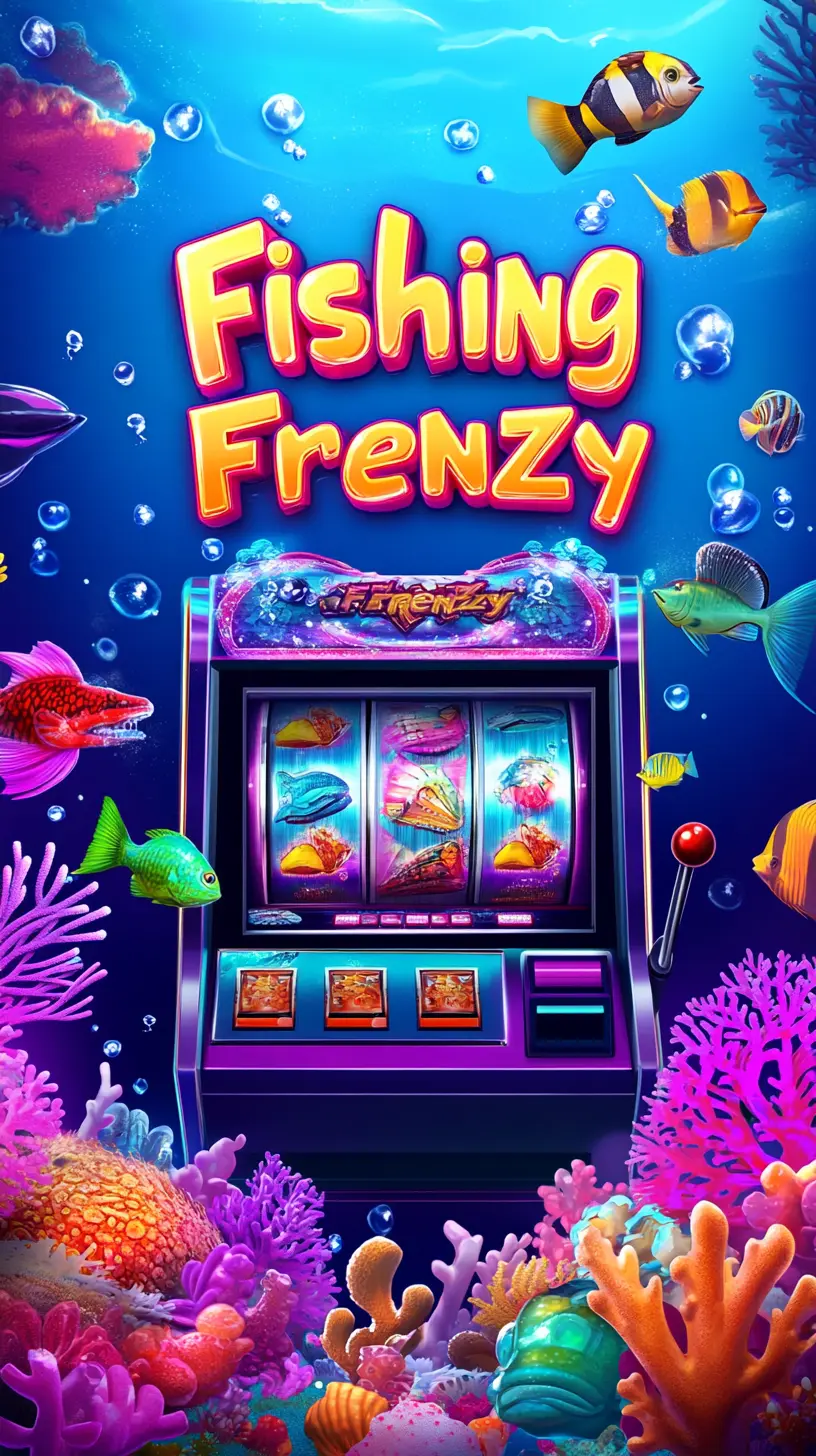
In our hectic digital world, we often seek contrasting escapes: serene meditation for inner calm and thrilling slot games for quick excitement https://playtocasino.com/games/fishin-frenzy-big-catch-slot-demo/. Yet, the shift between these states need not be jarring. We explore the concept of mindful gaming, using the popular Fishin Frenzy Slot as a case study. This approach lets players to connect with the game’s aquatic theme and simple mechanics in a more aware, controlled manner, perhaps enhancing enjoyment while keeping a balanced perspective on play, particularly within the UK’s vibrant online gaming landscape where safe engagement is paramount.
The Approach to Mindful Gaming
Mindful gaming is the practice of bringing deliberate, non-judgmental awareness to the gaming experience. It involves acknowledging the game’s entertainment purpose without being overwhelmed by autopilot reactions or powerful emotional swings. This philosophy prompts us to notice the sensory details—the sound of reels, the visual animations—and our own responses to them. By doing so, we convert a potentially passive activity into a purposeful practice of presence, where the journey is important as much as the outcome, fostering a healthier digital lifestyle.
Core Principles of Playful Awareness
The core principles hinge on intentionality and observation. We define a clear intention before playing, such as enjoying the theme for a set time. During play, we monitor the game’s mechanics and our impulses without instant reaction. This establishes a mental space between stimulus and response, allowing for more considered engagement. It is not about suppressing excitement but about experiencing it fully without letting it determine our state of mind or subsequent actions.
Difference from Autopilot Play
Autopilot play is defined by repetitive, unconscious spinning, often driven by a desire to recoup losses or prolong a win streak. Mindful gaming directly opposes this by inserting moments of conscious choice. We detect the urge to “spin again” quickly and can choose to pause instead. This shift from reaction to response is the heart of integrating mindfulness into an activity typically associated with high-speed, low-attention engagement.
Fishin Frenzy Title: A Path to Calm
Fishin Frenzy, with its tranquil underwater theme, soft blue color palette, and calming music, provides a surprisingly apt backdrop for mindful play. Different from slots with aggressive sounds and blinking lights, this game brings to mind the calm of a fishing trip. The main action—catching fish for rewards—is naturally straightforward and cyclical, a quality that helps focus. We can use these environmental aspects as touchstones for our attention, going back to the soothing visuals when the mind drifts to notions of wins or losses.
Structure of Fishin Frenzy for Attentive Play
The game’s straightforward mechanics support attentive engagement. With a standard 5×3 reel layout and understandable paytable, the cognitive load is minimal, allowing cognitive space for awareness. The key features that can be watched mindfully include:
- The Fisherman Wild:
- Free Spins Trigger:
- Catching Fish:
Setting Intentions Ahead of You Spin
Setting intentions is the foundation of conscious gaming. Ahead of loading Fishin Frenzy, we consciously decide the limits of our play. This is not about dictating a win but about outlining our interaction. An intention could be to experience the aquatic graphics for 15 minutes, to watch the frequency of bonus features, or simply to practice staying focused during losses. Jotting this down or declaring it internally frames the experience, making it far more manageable to notice when our focus has wandered into habitual, reactive play.
The Function of Sound and Visuals in Mindfulness
Fishin Frenzy’s audiovisual design is a powerful tool for mindful practice. We can utilize the gentle bubbling sounds and the rhythmic casting of the fishing line as focal points, just as one uses the breath in meditation. When the mind becomes pulled away by anticipation, gently bringing attention back to these consistent sensory elements roots us in the present moment. This changes the game from a potential source of tension into a dynamic object of meditation, where even the reel spins become a visual mantra.
Identifying and Managing Gaming Stimuli
Mindful awareness helps us pinpoint personal stimuli that cause less regulated play. These could be the “near-miss” of a big character, a string of small wins, or the end of a bonus segment. By detecting the physical feelings or thoughts these events provoke—a quickened pulse, a thought to “chase” shortfalls—we can halt. We can then choose a intentional reaction, like performing three deep breaths or choosing to stop after the next turn, thereby preserving command over our gaming experience.
Frequent Stimuli in Slot Gaming
Grasping common cues demystifies our responses. The auditory prompt of a payout, even a small amount, can activate a dopamine reaction that urges continued play. The visual “stacking” of icons that almost form a line creates a intense near-miss effect. In Fishin Frenzy, the emergence of the fisherman or the free spins symbol can turn into a focal point for excitement. Consciously recognizing these events as mere game happenings, not personal commands, is a key skill.
Moving from Meditation to Play

Moving from a meditation session directly into gaming calls for a bridging mindset. We recommend carrying the residual calm and focused attention into the game. Rather than rushing to spin, we can take a moment to absorb the game’s opening screen, listen to the ambient music, and define our intention. This conscious transition assists preserve the mindful state. Seeing the first few spins as an extension of observation, rather than a pursuit of outcome, seamlessly merges relaxation with interactive entertainment.
Creating a Balanced Gaming Session
A well-rounded session respects both the desire for enjoyment and the requirement for well-being. We organize this by applying clear boundaries. A pre-session moment of deep breathing sets the atmosphere, while a post-session ritual, like light stretching or observing three things noticed in the game, helps compartmentalize the session. Key components for harmony include:
- Time Awareness:
- Financial Boundaries:
- Physical Check-ins:
Mindful Gaming in the British Setting
In the United Kingdom, where gambling is a controlled form of entertainment, mindful gaming complements the national emphasis on user safeguards and safe play. The UK Gambling Commission enforces tools like reality checks and deposit limits. We consider awareness techniques as a internal, internal complement to these outside protections. By fostering awareness, UK players can engage with popular titles like Fishin Frenzy more safely, ensuring gaming continues as a leisure activity that does not harm other areas of life.
Frequently Asked Questions
What exactly is mindful gaming?
Mindful gaming is the practice of gaming with complete, present-moment awareness. It involves watching the game’s imagery, sounds, and rules, as well as your own ideas and feelings, without judgment or automatic reaction. The goal is to enjoy the session deliberately, preserving control and viewpoint, rather than playing on habit driven solely by the urge to win.
Is it possible to play slots like Fishin Frenzy really be mindful?
Certainly, any pastime can be undertaken attentively. The calm setting of Fishin Frenzy offers a conducive setting. By concentrating on the sensory details—the water, the noises, the motion—and establishing distinct goals for your session, you can turn slot play into a practice of targeted attention and managed engagement, rather than a passive or responsive pastime.
What is the way to transition from meditation to playing a game?
Carry the tranquil, attentive state from your practice into the gaming session. After sitting in stillness, draw a few deep breaths before starting. Begin by just watching the game’s initial display and initial audio without immediately playing. Set a simple purpose for your session. This links the two experiences, enabling the conscious state to remain into your playing activity.
What if I get too worked up or irritated during play?
Emotions are normal. Mindfulness is about noticing them without being dominated by them. When you detect strong excitement or frustration, pause for a moment. Accept the feeling, take a deep inhalation, and reengage with your pre-set intention or the sensory aspects of the game. This small gap allows you to decide your next step consciously.
Does mindful gaming lower the risk of harmful play?
While not a cure, it is a powerful preventive tool. By fostering self-awareness, it helps you recognize early signs of chasing losses or betting beyond thresholds. The technique of defining intentions, watching triggers, and sustaining present-moment awareness encourages a more disciplined and conscious connection with gaming, organically encouraging healthier behaviors.
Do I only play the demo version for mindfulness?
Starting with the demo version is highly recommended for practice. It takes away financial stress, allowing you to focus purely on developing mindful observation. Once the technique feels natural, you can implement it to any style of play, as the core competence is internal perception, not the external stake.
What duration should a mindful gaming session continue?
Duration is of lesser significance than attentional quality. We suggest short, focused sessions of 10-20 minutes when beginning. Use an external timer. The key is to maintain mindful awareness throughout. A short, conscious session is far more valuable for developing the practice than a long, automatic one.